Practical Differences Between APS-C and Full Frame
Key Takeaways
- Sensor size affects depth of field and low-light performance.
- The crop factor changes effective focal length and framing choices.
- Weight and cost are real trade-offs when moving systems.
- Lens selection influences image quality more than people expect.
- Test gear in your typical shooting conditions before switching.
Defining the Sensor Format Debate
The sensor format debate often boils down to practical gains versus prestige among photographers.
The term aps-c sensors comes from the Advanced Photo System type-C film format. That film era shaped how we think about modern sensor types and scale.
Understanding these options helps you weigh whether investing in a full-frame cameras system is necessary for your projects or if smaller, lighter gear meets your needs.
- Practical benefits: low-light, dynamic range, depth control.
- Trade-offs: cost, weight, lens availability.
- Historical context: 35mm film set a baseline for many cameras.
| Sensor Type | Typical Benefit | Common Trade-off | Who It Helps |
|---|---|---|---|
| aps-c format | Reach and compact kits | Less shallow depth at same focal | Travel and hobby photographers |
| 35mm-derived sensors | Better dynamic range | Higher cost and size | Commercial and studio shooters |
| Smaller mirrorless sensors | Lightweight systems | Lower high-ISO headroom | Street and casual photographers |
| High-resolution sensors | Fine detail and large prints | File size and processing needs | Landscape and commercial work |
Understanding the Full Frame vs APS-C Distinction
Sensor size drives more than marketing — it changes how you compose, what lenses you buy, and how images render.
Physical Dimensions
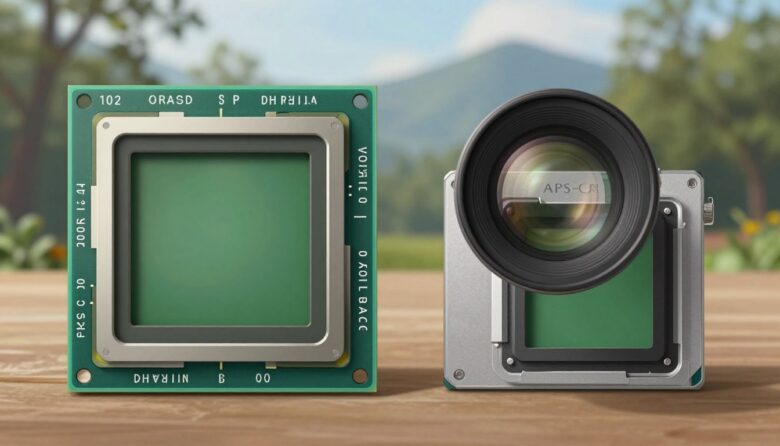
A standard full-frame sensor measures 36mm by 24mm, matching 35mm film. In contrast, an aps-c sensor runs about 25.1mm by 16.7mm. That makes the smaller sensor roughly 1.5 times smaller in area.
Because of that size gap, the smaller sensor crops the view from any given lens. Mount a full-frame lens on an aps-c camera and the scene looks tighter. The change affects framing, effective focal length, and how much of the scene the image sensor records.
Historical Context
The word full-frame emerged to separate these larger sensors from the digital-era aps-c sensors that followed film. Early digital cameras adopted the smaller types to save cost and size.
Practical Considerations When Switching Systems
Comparing Gear Weight and Portability
Weight Trade-offs
- Lighter cameras and lenses increase mobility and spur more creative shots.
- Better image quality and sensor advantages must be balanced against carrying burden.
| Kit | Total Weight | Notes |
|---|---|---|
| Fuji travel kit | 4.87kg | Compact lenses but heavier combo overall |
| Sony mixed kit | 3.9kg | Smaller bodies with slower lenses |
| Sony with f/1.4 glass | + heavier | Significant weight increase |
Analyzing the Cost of Professional Kits
- Consider third-party glass or brands like Panasonic to reduce cost.
- Prioritize a few quality lenses over many cheap ones to protect image results.
| Kit | Approx. Cost | Notes |
|---|---|---|
| Fuji travel kit | £9,692 | Compact, cost-effective |
| Sony mixed kit | £11,049 | Higher body and lens prices |
| Like-for-like premium | £16,312 | Top glass and pro bodies |
Ecosystems and Lens Compatibility
Brand Ecosystems
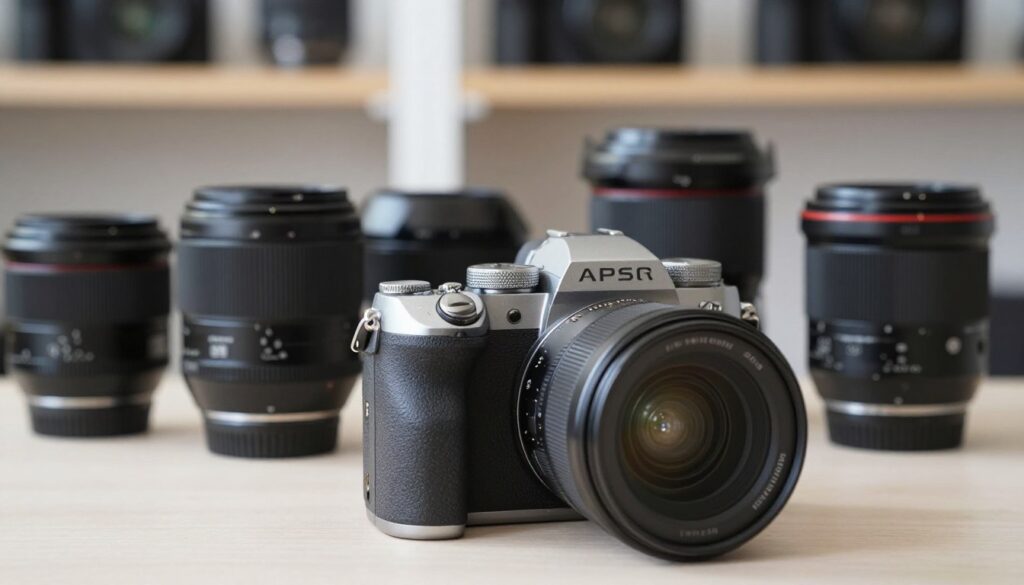
Sony offers a huge range of cameras and lenses. That shared mount lets me move from an aps-c camera to a full-frame camera without relearning mounts.
Fujifilm has a growing lineup and great glass, but it feels more niche. For many photographers, ecosystem depth can outweigh sensor gains when choosing gear.
Lens Mount Flexibility
Mount flexibility matters if you want to reuse lenses across bodies. Adapters widen your range and keep costs down.
- Interchangeable mounts ease upgrades.
- Third-party lenses expand focal length options.
- Consider future support when you pick a brand.
| Brand | Mount Options | Lens Range | Who Benefits |
|---|---|---|---|
| Sony | Native E-mount, adapters | Extensive (wide to tele) | Those who upgrade between sensors |
| Fujifilm | X-mount | Strong prime selection | Portrait and street photographers |
| Third-party | Various mounts, adapters | Cost-effective range | Budget-conscious pros |
Performance Metrics Beyond Sensor Size
That doesn’t mean one sensor type is inherently faster. A well‑tuned aps-c cameras model can outpace an older full frame camera in raw responsiveness.
For wildlife photography, the camera’s tracking and frame rate often beat theoretical image gains from a larger image sensor.
When choosing gear, measure real metrics: start-up time, continuous shooting range, and how long the battery lasts on a long day.
- Test autofocus on moving subjects.
- Check burst depth and buffer clearing time.
- Confirm battery life under your shooting style.
Understanding these figures helps you pick a camera and lenses that match your photography needs, not just a spec sheet promise.
Image Quality in Ideal Daylight Conditions
In good light, images from modern sensors look clean and detailed. A 60MP sensor can show finer detail in crops, but a 24MP aps-c sensors sensor often looks identical when scaled for web or social sharing.
If you prefer a softer, filmic look, post-processing can erase many technical gaps. Editing style, color grading, and noise reduction often matter more than raw sensor size.
Lens choice and exposure technique play the largest role in final image quality. Use sharp lenses, nail focus, and expose well, and you’ll get photos that stand up in print and online regardless of which cameras you own.
- Modern sensors deliver excellent daylight performance.
- Pixel-peeping and extreme crops reveal the real differences.
- For most photography shared online, the gap is minimal.
Low Light Performance and Noise Control
Low-light shoots taught me more about sensor limits than any spec sheet. Night work highlights differences in how sensors collect light and how that shows up as noise in the final image.
ISO and Shutter Speed Benefits
| Factor | Practical Effect | Practical Tip |
|---|---|---|
| Light gathering | Larger sensors collected more photons | Use lower ISO for cleaner edits |
| Shutter speed | Faster settings possible with same exposure | Increase shutter to reduce motion blur |
| Aperture control | Can stop down without losing exposure | Stop down to improve depth and sharpness |
| Noise | Smaller sensors showed more grain at high ISO | Shoot RAW and apply noise reduction carefully |
The Reality of the Crop Factor
One simple math trick helps you predict how a lens will behave on a smaller sensor.
The common 1.5x crop factor means a 50mm lens on an aps-c camera gives roughly the same field of view as a 75mm lens on a full frame setup. This magnification is a direct result of the smaller aps-c sensor size compared to the traditional 35mm film format.
Understanding the crop factor is essential when you switch systems. It lets you calculate effective focal length and plan composition before you shoot.
While many call the crop factor a drawback, it can be an advantage. Wildlife and sports shooters gain extra reach from their lenses without buying longer glass. Still, you must account for the crop when choosing lenses and setting focal length for a given shot.
Practical tip: when you think about a focal length on an aps-c format body, multiply by 1.5 to get the equivalent field of view on a 35mm-derived sensor. That simple step keeps compositions predictable and helps you pick the right lens for the job.
Depth of Field and Subject Separation
Nailing subject separation often comes down to knowing how aperture and sensor size interact.
A 35mm f/2 lens will yield a shallower depth field on a full frame camera than it does on an aps-c camera. That extra blur makes the subject pop from the background more easily.
The crop factor also changes how the background renders. On a smaller sensor you get a tighter view, which can compress background detail and help reach for wildlife or distant subjects.
That said, both systems can match in light gathering and perceived depth when you choose lenses and step back or forward. You can mimic shallower depth by using a longer focal length or wider aperture.
- Use longer lenses to boost subject separation without changing aperture.
- Shoot at wider apertures when you want smooth backgrounds.
- Adjust subject-to-background distance to control blur.
Practical tip: learn how your camera and lenses interact. That knowledge is the secret to getting the look you want every time.
Professional Considerations for Working Photographers
| Role | Priority | Why it matters | Practical tip |
|---|---|---|---|
| Commercial photographer | Dynamic range | Editing latitude for retouching | Choose higher-resolution sensors |
| Wedding photographer | Reliability | Minimal downtime on shoots | Stick with proven systems and lenses |
| Wildlife photographer | Speed & reach | Tracking and effective focal length | Prioritize fast lenses and AF performance |
| Studio photographer | Lens selection | Optical quality for large prints | Invest in a few top primes and zooms |
When to Stick with Your Current Setup
Before swapping systems, ask whether new gear will fix a real problem or just promise one. If your aps-c camera already delivers the images you need, keeping it is often the best reason to save money and shoot more.
If you’re happy with your lenses and the camera’s performance, there’s little need to change. For wildlife shooters, the crop factor can even be an advantage by extending effective focal length without extra weight.
When to consider an upgrade: you need maximum dynamic range, or your job demands the highest resolution from a full-frame camera. Otherwise, invest in learning, a new lens, or support gear first.
| Situation | Stick with kit | Upgrade is sensible |
|---|---|---|
| Client work | Yes, if output is accepted | No, unless specs require higher resolution |
| Low-light needs | Improve technique and lens choice | Consider a full-frame camera for extreme low light |
| Reach for wildlife | Yes, crop helps extend focal length | Upgrade if you need better AF or print size |
Conclusion
Putting cameras into real assignments clarified which gains matter and which are marginal. In practice, a camera’s ergonomics, menus, and the lenses you own often shape results more than sensor headlines.
strong, While a full frame sensor gives advantages in low light and shallower depth, those benefits feel minor for everyday photography and social or client work. For many shooters the crop advantage and lighter kits make the aps-c format sensible.

The GBI LensLab Editorial Team publishes informational guides about cameras, lenses, image sensors, photography workflows, camera maintenance and digital imaging technology. Technical specifications are checked against manufacturer documentation and other appropriate primary sources when available.