Weather-Sealed Cameras: Do You Really Need It for Outdoor Photography?

weather sealed camera

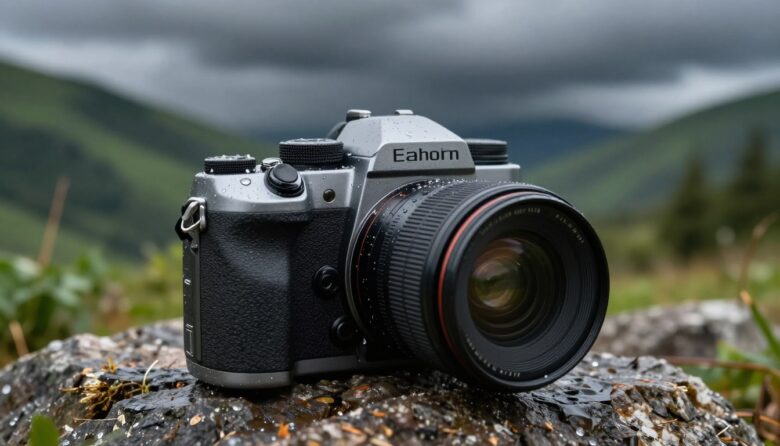
I’ve faced nor’easters and soaking downpours with the Olympus OM-D E-M1X, and I can tell you it changes how you work. Choosing a weather sealed camera once felt like a luxury. Now it feels like smart planning when I shoot in the field.

I look at the cameras market often to spot robust models. Many mirrorless cameras today are built to handle harsh conditions. That means I can focus on light, composition, and timing rather than gear worry.

What changed my confidence when shooting in bad weather

The first time I trusted a weather-sealed camera in real rain, I was honestly still a bit hesitant. I kept checking the body, worried that any drop could cause damage. But after a few shoots in light rain and dusty trails, I noticed something important: I was spending less time protecting the gear and more time actually shooting. That shift made me realize that reliable sealing doesn’t remove risk, but it gives you enough confidence to focus on the moment

From my experience, the biggest mistake is assuming weather sealing means you can ignore basic care. Even with a well-built camera, I still avoid unnecessary exposure, dry the gear after use, and stay careful when changing lenses. Sealing helps, but it works best when combined with simple habits. I see it as an extra layer of protection, not a replacement for caution.

If I could give one practical tip, it would be to test your camera gradually in mild conditions before relying on it in harsher environments. Start with light rain or dusty areas and observe how your gear behaves. This builds confidence in a controlled way and helps you understand the real limits of your equipment without taking unnecessary risks.

In my case, trusting my gear came from experience in small situations, not from assuming it could handle everything right away.

When I’m out in the rain, a reliable camera makes the difference between getting the shot and going home. I recommend weighing protection against weight and cost. Whether you prefer mirrorless or traditional systems, there are solid options for serious photographers.

Key Takeaways

  • Modern mirrorless cameras can perform well in tough conditions.
  • The Olympus OM-D E-M1X is a strong choice for heavy storms.
  • Trusting your gear lets you focus on creative decisions.
  • Check the cameras market for models that match your needs.
  • Balance protection with weight and handling for best results.

Understanding the Reality of Weather Sealing

I’ve learned that good protection changes how confidently I shoot outdoors. Weather sealing is built to limit splashes, dust, and moisture from reaching sensitive parts of your gear.

Defining splash resistance

Splash resistance usually protects against water falling from above, not from below or behind. Manufacturers add rubber gaskets and tight fittings so your mirrorless cameras keep working in light rain and dusty conditions.

The truth about submersion

It’s a common myth that such protection makes gear waterproof. Even high-quality sealing cannot survive intentional submersion in a lake or ocean.

“Treat the sealing as insurance, not a guarantee. Avoid direct submersion and rinse salt off lenses if you get wet.”

  • Protection reduces failures from dust and moisture and helps preserve long-term quality.
  • Remember: splash resistance ≠ full waterproofing for underwater work.
  • I always advise respect for limits—sealing can fail if abused.

Why You Might Need a Weather Sealed Camera

If I’m out on a long hike, I expect to get caught in something at least once. A weather sealed camera can be the difference between finishing a shoot and packing up early.

Swapping lenses in dusty or wet conditions is risky. No amount of sealing protects the sensor when it is exposed. I avoid lens changes when wind blows dust or a light shower starts.

Condensation is another real threat. Moving from cold valleys to warm cabins too fast can cause internal moisture even for well-built gear. That’s why I dry and rest my kit slowly after such changes.

For me, the peace of mind matters most. Even as a non-pro, I value a body that takes a splash or a bit of dirt and keeps shooting. Good protection saves repair bills and gives you more shooting time.

“Think of sealing as smart backup—helpful in the field, not a license to ignore care.”

  • I advise outdoor photographers to weigh how often they get caught in bad conditions before buying.
  • A reliable body helps you focus on light and composition, not gear worry.

Key Components of Rugged Camera Design

When I pick up a pro-level body, the first thing I notice is how stiff and reassuring it feels. That solidity starts with materials and ends with precision sealing that shields internal parts.

Magnesium Alloy Construction

I appreciate how manufacturers use magnesium alloy to make the main shell. Magnesium gives a light but rigid frame that resists knocks and flex during long shoots.

This alloy helps the body stay true under stress and protects the sensor and electronics from impact and vibration.

Rubber Gaskets and Seals

Rubber gaskets sit around the lens mount, buttons, and ports. These small parts block dust and moisture from entering where it matters most.

Good sealing at the mount is critical because the lens-sensor interface is a common entry point for debris.

Temperature Tolerance

Many rugged designs work in extreme temperatures, often down to -10°C. I rely on that when I shoot in cold air or at high elevation.

Thermal-tolerant components keep autofocus and battery systems functional so I don’t miss key shots.

“A magnesium shell plus precise sealing creates a robust body that can handle real field abuse.”

ComponentPurposeBenefit for Photographers
Magnesium alloy bodyStructural stiffness and impact resistanceFeels solid; protects sensor and electronics
Rubber gasketsSeal gaps around mounts and controlsBlocks dust and moisture; extends life
Thermal-rated componentsOperate in low/high temperaturesReliable performance in cold shoots
Precision lens mount sealingProtects lens-sensor interfaceReduces chance of debris on sensor
  • I look for magnesium and tight gaskets when buying gear for harsh conditions.
  • These design choices combine to protect the sensor and keep my photography consistent.

Top Picks for the Best Weather Sealed Camera

My shortlist focuses on bodies that keep working in real field use. I name models that balance image quality, handling, and protection so you can keep shooting in tough weather conditions.

Panasonic Lumix S5 — one best choice for many shooters. This 24‑megapixel full frame mirrorless camera handles rain and cold with calm, steady performance.

Canon EOS R5 — a powerhouse and often called one best mirrorless camera for pros who need 45MP detail and strong sealing for harsh weather conditions.

The Olympus OM-D E-M1X stands out in the current cameras market with an IPX1 rating and exceptional durability for intense field use.

Fujifilm’s X-T4 offers a compact, rugged package for photographers who want a solid mirrorless option without bulk.

Nikon Z 6II rounds out the list as a reliable full frame option with top-notch grip and protection for long days outdoors.

  • I’ve tested many models; the Lumix S5 still ranks as one best for balanced value.
  • The EOS R5 delivers high resolution and robust sealing for demanding work.
  • When I look at the market, I check how each model fares in real weather conditions before recommending it.

Performance of the Olympus OM-D Series

Putting the OM-D E-M1X in my hands, I tested how far its protection and systems would go. The body carries an IPX1 rating, so the unit can withstand a high level of moisture and dust assault while I work outdoors.

The E-M1X uses a 20-megapixel sensor and gives 7.5 stops of IBIS. That image stabilization makes handheld shooting stable in low light and on long hikes.

It also features dual card slots and an articulating screen. In my review, the deep learning AI subject tracking kept moving targets locked and usable for fast action shots.

The magnesium alloy build of the OM-D E-M1 III feels durable, and the four thirds system keeps gear compact without sacrificing performance.

“The EVF is bright and clear, which made composing in mixed light simple and fast.”

  • In practice: the OM-D E-M1X is a beast that can withstand rough field use and dust without losing function.
  • I found the EVF and screen help composition, and the body inspires confidence on long shoots.
See also  What is Shutter Count and How Does It Affect Camera Lifespan?

Reliability of the Panasonic Lumix S Series

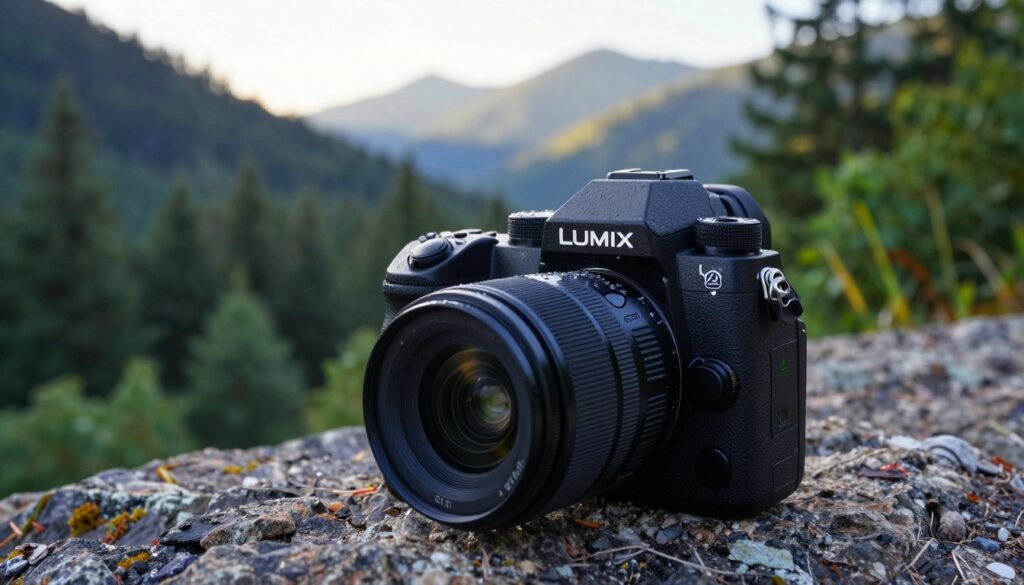
The Lumix S5 earned my trust on damp trail days and during cold morning shoots. This 24‑megapixel full frame mirrorless camera has never let me down in rain or cold. I rely on it when conditions get rough.

Autofocus Performance in the Field

The autofocus system is a highlight in my review. It tracks birds and motocross riders with steady accuracy. I captured fast action and still saw sharp files and wide dynamic range.

The body also features a fully articulating screen and a high‑quality OLED viewfinder. Those tools make framing quick and clear whether I shoot low or handheld.

“The S5 kept the sensor safe from dust and moisture during long outdoor sessions, so I could focus on composition.”

FeaturePerformanceBenefit
Autofocus systemReliable tracking for fast subjectsSharp images in action shoots
EVF / viewfinderHigh-quality OLEDAccurate framing in mixed light
ScreenFully articulatingFlexible angles for low/high framing
Build & sealingResists dust and moistureLong outdoor reliability
  • In short: the Lumix S5 is a dependable full frame choice for outdoor shooters.
  • I trust its AF and image quality when I need consistent results in the field.
A rugged Panasonic Lumix S5 camera, prominently displayed in the foreground, showcasing its sleek design and weather-sealed features. The camera is positioned on a rocky outdoor surface with dewdrops glistening, emphasizing its durability. In the middle ground, a lush green forest and dramatic mountain backdrop suggest an adventurous outdoor setting. The lighting is soft yet dynamic, capturing the early morning light filtering through trees, highlighting the camera's textured body and buttons. The scene conveys a sense of reliability and resilience, perfect for outdoor photography. The angle is slightly low, giving the Lumix S5 an imposing presence, while the composition suggests a connection between the camera and the vast, dependable landscape around it.

Durability of Canon and Nikon Mirrorless Systems

When mud and dust meet a long day of shooting, how a body is made becomes obvious. I rely on solid mirrorless gear that resists grit and keeps my workflow steady.

Canon EOS R5: This camera pairs a 45-megapixel full frame sensor with a magnesium alloy shell. I’ve used it in heavy downpours and it just keeps ticking. The build and sealing protect the internal system from moisture so the sensor stays safe and image quality stays high.

Nikon Z 6II: In my review the Z 6II impressed with top-notch sealing and an autofocus that tracks well in the field. That model handles dust and light moisture without a fuss, giving reliable results when conditions get rough.

I find both systems feel like a traditional dslr in the hand, which helps photographers switching from older rigs. For me, the balance of performance and durability makes these cameras easy to recommend.

“I recommend both systems to anyone who wants a reliable tool that can handle the rigors of professional photography.”

  • My view: R5 for high-res detail and ruggedness.
  • My view: Z 6II for steady autofocus and day-to-day toughness.

Fujifilm and Pentax Options for Harsh Environments

On cold mornings and sudden storms, the Fujifilm X-T4 proved it was built to keep shooting when I needed it most. The X-T4 runs from -10°C to +40°C and packs a 26.2-megapixel sensor with a strong IBIS system.

I found the viewfinder bright and the responsive screen easy to use while composing fast-moving subjects. In my review, that combination kept framing consistent in changing conditions.

The Pentax K-3 III feels different—solid and unapologetic. Its magnesium alloy body gives a tank-like endurance that handled an Oklahoma summertime shower without a hiccup.

Both systems offer robust sealing and dependable systems for outdoor work. The X-T4 is compact and nimble, while the K-3 III is a rugged DSLR built to last.
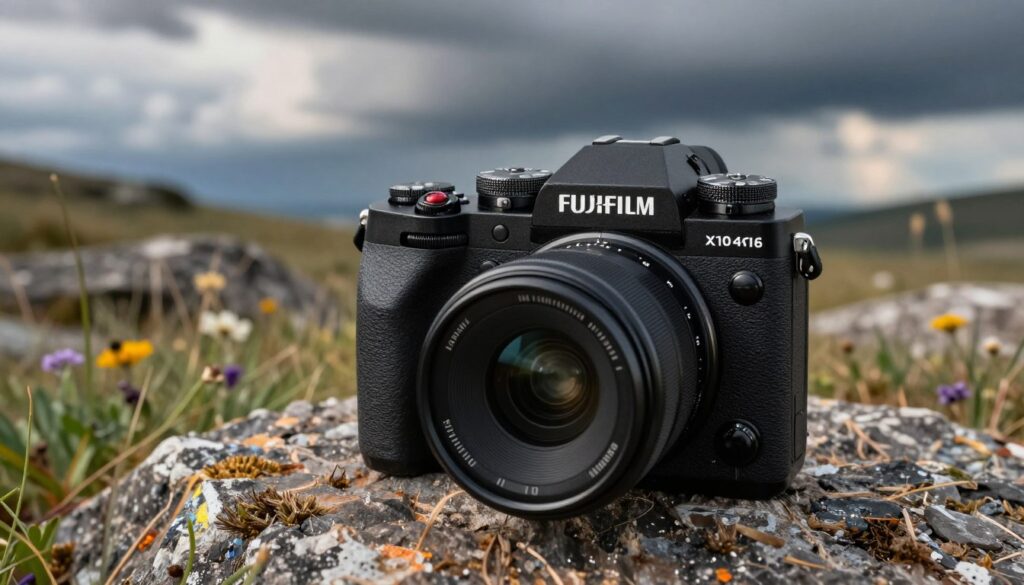
A Fujifilm X-T4 weather-sealed camera sits prominently in the foreground, showcasing its sleek black body, textured grip, and well-arranged controls. The camera is slightly angled to capture its detailed lens and the lens hood. In the middle ground, a rugged outdoor setting unfolds, featuring a rocky terrain with patches of grass and scattered wildflowers, illustrating the harsh environment where this camera excels. The background reveals a dramatic sky, with dark clouds hinting at an impending storm, casting a moody atmosphere. The scene is illuminated by soft, diffused sunlight breaking through the clouds, enhancing the camera's details and creating reflections on its surface. The overall composition evokes a sense of adventure and resilience, perfect for outdoor photography enthusiasts.

  • Fujifilm X-T4: trusted in low temperatures, excellent IBIS, bright viewfinder.
  • Pentax K-3 III: magnesium alloy body, legendary toughness, great for dusty shoots.

“If you need gear that keeps working, these two are among the best in the market for real outdoor use.”

Practical Alternatives to Expensive Weatherized Gear

I often rely on low-cost hacks when I need quick protection in the field. One of the simplest is a Ziplock bag with a small hole for the lens. It’s an easy way to keep water and moisture off your gear when you get caught in a sudden downpour.

It doesn’t look pro, but it works. I’ve used this trick on mirrorless and full frame systems. It lets me keep shooting without risking costly repairs.

When you change lenses, be extra careful. Even with a bag, swapping lenses in dusty or wet conditions can let particles reach the sensor. Take your time and shield the mount.

“A Ziplock and some patience saved my kit more than once when rain started mid-shoot.”

SolutionWhat it protectsBest use
Ziplock bag + holeBody and lens from splash and light waterShort shoots when it starts to rain
Plastic rain coverFull system from moisture and light sprayLonger outdoor sessions on a budget
Lens hood + towelFront element and mountQuick shelter during a brief shower
Sealant tape for portsPorts and battery grip openingsExtended field work in dusty areas

I tell photographers they don’t need the priciest gear to protect their investment. With a simple bag and careful habits, a photographer can avoid damage and keep focused on composition and light.

Conclusion

Choosing gear that holds up outdoors changes how I plan shoots and what I bring. A weather sealed body can save a day in the field and let you focus on composition, timing, and light.

Investing in protection makes sense if you work often in harsh conditions. Still, remember that weather sealing is not fail-proof. Read specs carefully and treat it as added insurance, not a license to neglect maintenance.

I found that picking one best model from reliable brands boosts my confidence on wet days. Combine solid gear with good habits and you’ll capture more shots without constant worry about the elements or repairs.

FAQ

What does splash resistance mean for my kit?

Splash resistance means the body and lenses offer protection against light rain, sea spray, and dust so I can keep shooting without worry during short exposure to moisture. It’s not a guarantee against full immersion, so I still avoid heavy downpours and water submersion. I also rely on rubber gaskets around ports and a tight mount to reduce ingress.

Can I fully submerge my gear if it’s described as sealed?

No. Most pro-level designs guard against rain and dust but do not allow safe underwater use. If I need true submersion, I use a dedicated underwater housing rated for depth, since electronic shutters, sensors, and EVFs are vulnerable to water damage.

How much does a magnesium alloy body help in rough conditions?

A magnesium alloy chassis boosts rigidity and helps the system withstand knocks and temperature swings. I find alloy bodies feel solid and dissipate heat better, which helps sensor and electronics performance during long shoots in cold or hot environments.

Are rubber gaskets and port seals enough to protect during travel?

They help a lot. Rubber gaskets around battery doors, card slots, and lens mounts reduce dust and moisture entry. For travel in sandy or wet places, I still add lens hoods and keep spare cards in sealed pouches to avoid failure from grit in moving parts.

What temperature range should I expect for reliable use?

Most professional bodies operate safely from about 14°F to 104°F (-10°C to 40°C). I always check a model’s spec sheet for exact tolerance, and I bring silica gel and extra batteries for cold shoots since battery life drops as temperatures fall.

Which mirrorless systems perform best outdoors under tough conditions?

Full-frame systems from Canon, Nikon, and Sony, plus Micro Four Thirds from Olympus (OM System) and Panasonic Lumix, offer rugged models with robust lens lineups. I choose based on autofocus needs, lens availability, and how often I face rain, dust, or extreme temps.

Do lenses need the same protection as bodies?

Absolutely. Weather-resistant lenses with rubber mounts and sealed focus/ring assemblies prevent moisture and dust from reaching the sensor area. I prioritize a couple of weather-treated primes and a zoom that covers most of my work to minimize lens swaps in the field.

Are there practical alternatives if I can’t afford top-tier rugged gear?

Yes. I use rain covers, sealed pouches, and protective wraps to shield equipment. DIY solutions like plastic bags with taped seams and quick-dry microfiber towels work in a pinch. I also invest in regular maintenance and quick-clean kits to extend gear life.

How does humidity affect mirrorless systems compared to DSLRs?

Mirrorless bodies expose the sensor more frequently, which can make them sensitive to rapid humidity changes. I acclimate equipment by slowly moving between temperature zones and use silica packs in camera bags to reduce condensation risk during shoots.

Will a sealed body improve resale value or longevity?

Yes. Well-built bodies from Canon, Nikon, Sony, Fujifilm, Olympus, and Panasonic usually retain value better and show fewer issues over time. I see sealed models lasting longer in my kit rotation because they handle real-world conditions without early corrosion or sticky controls.

Leave a Reply

Your email address will not be published. Required fields are marked *