
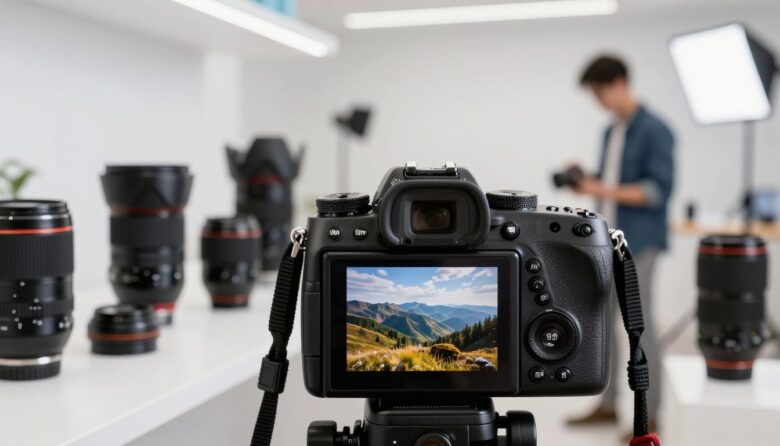
Megapixel count matters for professional photography, but it does not define image quality on its own. More pixels can preserve finer detail, support larger prints and leave more room for cropping. Those benefits depend on the lens, exposure, focus and intended output. A higher number is not a guarantee of a better photograph. Sensor performance, …
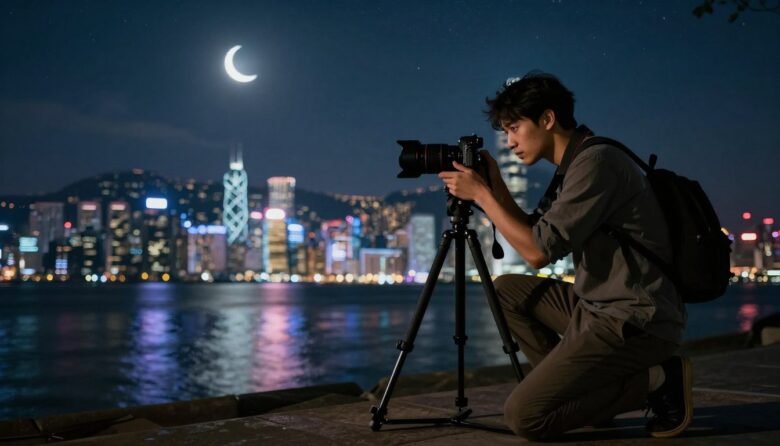
What Improves Results in Night Photography Key Takeaways Understanding the Challenges of Low-Light Photography The Evolution of High ISO Overcoming Fear of Dark Environments Key Features to Look for in the Best Light Cameras Image stabilization can matter significantly in practical use. Good stabilization can help photographers shoot slower shutter speeds without a tripod and …
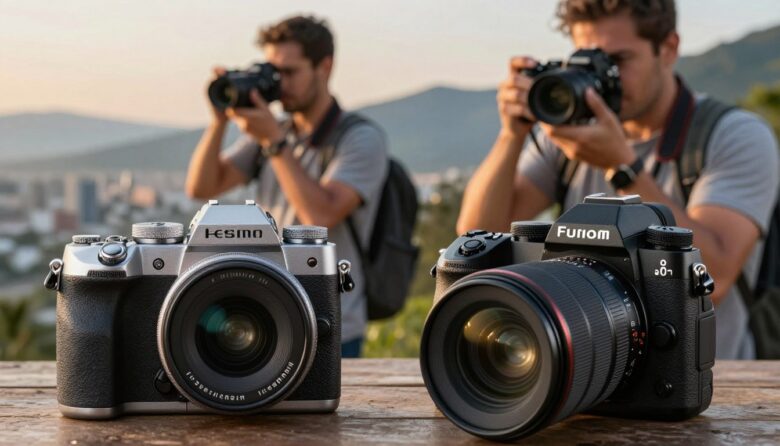
Practical Differences When Switching Camera Systems Key Takeaways Understanding the Micro Four Thirds vs Full Frame Debate Image Quality and Sensor Performance Resolution and Megapixels A 1080p display contains 1920 × 1080 pixels, which is about 2.07 megapixels. Higher-resolution image files can still provide advantages for cropping, printing and high-resolution displays. Visual Acuity and Real-World …
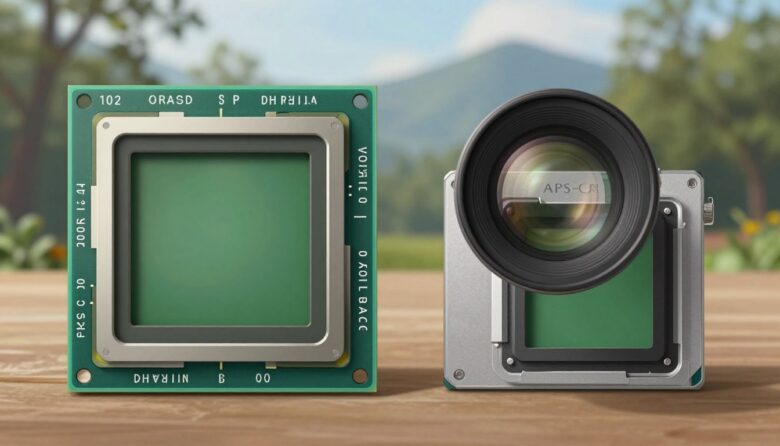
Practical Differences Between APS-C and Full Frame Key Takeaways Defining the Sensor Format Debate The sensor format debate often boils down to practical gains versus prestige among photographers. The term aps-c sensors comes from the Advanced Photo System type-C film format. That film era shaped how we think about modern sensor types and scale. Understanding …
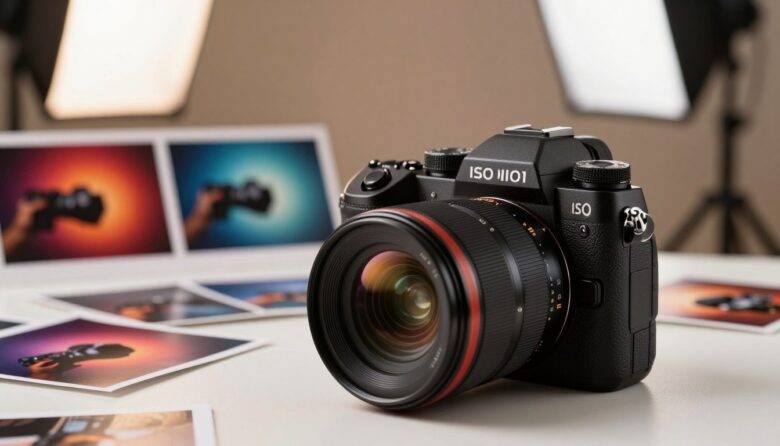
Why ISO Invariance Matters in Practice Key Takeaways Understanding ISO Invariance Explained Early online chatter around 2011 started a quiet revolution in how we set exposure on digital cameras. This approach won’t fix every extreme scene, but it gives you more options. You stop worrying about exact ISO numbers and focus on the light and …