Practical Differences When Switching Camera Systems
Key Takeaways
- Smaller gear makes you shoot more often and more freely.
- Bring the camera you will actually carry on trips.
- Image quality matters, but so does being present and ready.
- Portability often wins for travel and spontaneous shots.
- Pick a format that helps you document life, not one that weighs you down.
Understanding the Micro Four Thirds vs Full Frame Debate
- Practicality matters: size affects how often you shoot.
- Skill trumps specs: composition and timing matter more than raw sensor numbers.
- Use both: testing different formats showed me each has clear strengths.
Image Quality and Sensor Performance
Resolution and Megapixels
A 1080p display contains 1920 × 1080 pixels, which is about 2.07 megapixels. Higher-resolution image files can still provide advantages for cropping, printing and high-resolution displays.
- Budget wins: Even lower-cost mirrorless cameras can deliver excellent photos when exposure and focus are right.
Visual Acuity and Real-World Detail
For travel, the micro four thirds setup gave me deeper depth of field and consistent focus on moving subjects. In short, technique often outscored spec debates.
The Practicality of Travel Lenses
Weight and Weather Sealing Benefits
- Lighter load: the micro four thirds system makes long miles easier than most full frame kits.
- Weather-ready: sealing can help photographers shoot in rain and dust without worry.
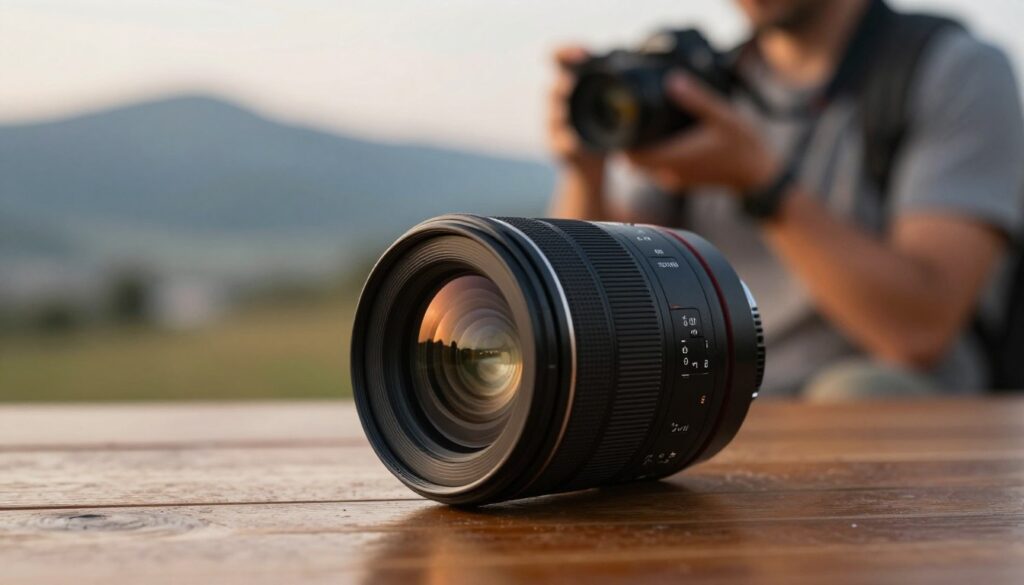
- Versatile coverage: one compact lens often replaces a bag of heavy glass.
The weight gap between four thirds full and thirds full frame becomes clear after a day carrying gear. For travel, that gap and confident focus in low light won me over.
Computational Photography Advantages
The sensor speed in some cameras matters. A few full frame examples like the Nikon Z9, Sony A1, and Canon R3 match advanced computational tricks. Still, the smaller format often led the market with features first.
- Faster keepers: buffered capture lands the shot when timing is tight.
- Better macros: focus stacking cuts editing time.
- Handheld high-res: smart modes deliver larger final images.
| Feature | Benefit | Practical Result |
|---|---|---|
| ProCapture | Buffered frames before shutter | Higher keeper rate on action |
| Focus stacking | Multiple exposures combined | Sharp macro images, less post |
| High-res handheld | Multi-frame merging | Tripod-free large files |
Overcoming Full Frame Fatigue
The Burden of Heavy Gear
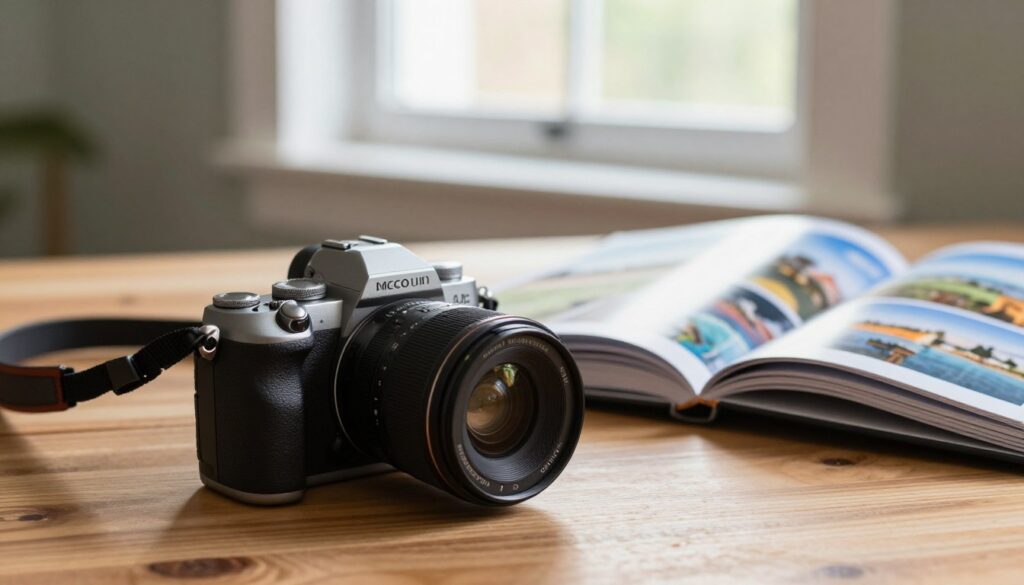
Buying a clearance Olympus M5ii shifted everything. The lighter mirrorless system fit in a jacket pocket and freed me from a dedicated bag.
Maintaining Invisibility While Shooting
Image quality surprised me — modern sensors and small lenses deliver excellent results. Depth field control is strong enough to isolate a subject and keep background separation pleasing.
- The lighter format let me focus on moments instead of equipment weight.
The Power of Opportunistic Photography
Opportunistic photography is about readiness. The best photo is the one you take, not the one you missed because your gear was too heavy.
- Built-in stabilization cuts the need for a tripod in low light.
- Compact lenses give useful focal length for wildlife without the load.
Sharp lenses and reliable autofocus let me focus on the subject and the background, not pixel debates. In practice, the four thirds full frame comparison matters less than having a camera in hand when a moment appears.
Conclusion
Conclusion: look past marketing and pick the kit that helps you make images. For me, this format balanced performance, weight, and real-world use better than heavier options.

The GBI LensLab Editorial Team publishes informational guides about cameras, lenses, image sensors, photography workflows, camera maintenance and digital imaging technology. Technical specifications are checked against manufacturer documentation and other appropriate primary sources when available.