In 2025, many pros debate whether the classic dslr design has truly lost ground to mirrorless cameras.
Practical Factors When Choosing Between DSLR and Mirrorless
Technology moves fast, but the right camera depends on how you work in the field.
Some photographers prefer the heft and battery life of older models. Others chase smaller bodies and silent focusing for street work or events.
Key Takeaways
- Mirrorless cameras are growing fast, yet legacy models remain relevant.
- The optical viewfinder still offers value for many pros.
- Choose gear based on your daily workflow, not trends alone.
- Hands-on testing reveals real-world pros and cons.
- Both systems can coexist in a thoughtful kit.
Understanding the DSLR System
Understanding how this camera design routes light helps explain its lasting appeal.
The Mirror and Prism Mechanism
DSLR stands for Digital Single-Lens Reflex. At its core is a mirror that flips up when you press the shutter. That mirror, paired with a prism, routes the scene into the optical viewfinder so photographers see exactly what the lens captures.
How Light Reaches the Sensor
When the mirror is down, light travels from lens to viewfinder. Press the shutter and the mirror flips, letting light hit the sensor and form the final image.
Large image sensors in many cameras collect more light and detail. That helps with high-resolution landscape photos and cleaner low-light shots.
Interchangeable lenses add versatility. Wide-angle lenses work for sweeping vistas while longer lenses help isolate subjects for portraits.
For me, the tactile control of a mechanical mirror and true optical viewfinder makes composing certain shots feel more immediate and reliable.
Should I Buy a DSLR in the Current Market
Practical note: dslr cameras still deliver strong value for landscape, portrait, and action work. Older bodies offer durable builds, long battery life, and extensive lens libraries.
If you are on a tight budget, consider used models. Great glass and proven bodies often cost far less than new mirrorless systems.
- Top-tier mirrorless makes sense only when advanced features are essential.
- Used market can stretch value for newcomers and enthusiasts.
- Your final choice must match workflow, not trends.
| Factor | DSLR Strength | Mirrorless Strength |
|---|---|---|
| Battery life | Longer sessions | Shorter, needs spares |
| Lens selection | Extensive used options | Growing native lineup |
| Price | Better deals used | Premium new models |
The Role of the Optical Viewfinder
When moments matter, the optical viewfinder gives a direct line to the scene. It delivers a lag-free view that helps when shooting fast-moving subjects in the field.
The optical viewfinder offers a true, real-time image. Unlike electronic screens, this viewfinder does not delay or alter what the camera records. That clarity can help stay connected to subjects during long sessions.
In bright sunlight, the optical viewfinder stays clear while some displays wash out. Many professionals keep older dslr bodies for this reliability and for reliable handling in tough light.
Below is a quick comparison to highlight core differences.
| Feature | Optical Viewfinder | Electronic Viewfinder |
|---|---|---|
| Lag | None — real-time view | Minimal, depends on refresh |
| Visibility in sun | Clear and bright | Can wash out without shade |
| Exposure preview | Not shown | Live exposure and histogram |
| Common systems | Many legacy cameras and dslr models | Modern mirrorless models |
Comparing Image Sensor Performance
Sensor design often makes the biggest difference between good and great images. That design decides how much detail survives in bright highlights and deep shadows. For photographers in the United States, this matters most when scenes include wide tonal shifts.
Dynamic Range and Detail
The right sensor keeps both sky and foreground readable. High-end full-frame sensor layouts capture broad dynamic range that preserves fine detail. This helps when editing raw image files and pushing exposure in post.
- The sensor in many professional cameras stores more tonal data for rescue work in post.
- Large sensors give depth to highlights and cleaner shadows for high-quality image output.
- Even now, certain dslr sensor architectures remain competitive with current mirrorless offerings.
When choosing gear, focus on sensor performance first. The best camera match lets you keep detail and edit with confidence.
Why Battery Life Favors Traditional Cameras
Long shooting days expose the real cost of power-hungry electronics in modern cameras.
In practical terms, mirrorless cameras drain batteries about 50% faster than many dslr models, even with power-saving modes on.
That gap matters on long shoots. A DSLR often lasts hours longer during a full day of shooting. When time in the field is limited, fewer battery swaps let you stay focused on the scene.
- DSLRs: longer runtime, fewer swaps.
- Mirrorless: extra batteries add bulk and planning.
- Memory card management becomes more critical with multiple cells and long shoots.
| Metric | DSLR | Mirrorless |
|---|---|---|
| Typical battery life (stills) | High (hours longer) | Lower (~50% less) |
| Spare batteries needed | 1–2 | 2–4 |
| Impact on gear weight | Lower | Higher |
| Memory card swaps per day | 1–3 | 2–5 |
Evaluating Lens Ecosystems and Compatibility
Lens choices shape long-term shooting habits more than body trends ever will.
The lens ecosystem for many legacy mounts is vast. Over the last 20 years, manufacturers and third-party makers built deep inventories of glass. That makes it easy to find affordable, proven options.
Many older lenses adapt to newer camera bodies, but adapted glass often lacks the full performance of native designs. Native lens design optimizes autofocus, stabilization, and sharpness for each system.
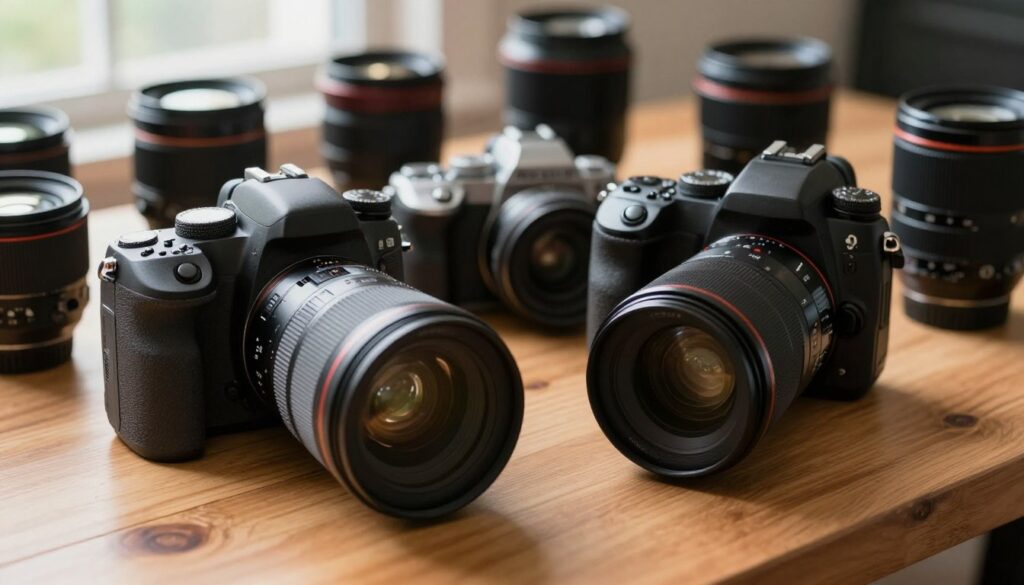
- Vast legacy options: decades of refined lenses give variety and value.
- Adapter caveat: adapted lenses may work, yet may not match native results.
- Third-party support: more budget choices from trusted makers expand access.
Ergonomics and Physical Balance
How a camera feels in your hand changes how you shoot and how long you can keep shooting.
Comfort matters on long days. The deeper grip found on many dslr bodies fits larger hands and reduces fatigue. For me, that fit turns long hikes into focused shooting sessions rather than hand cramps.
Hand Size and Grip Comfort
Deeper grips give secure hold during handheld work. If you have large hands, the design offers firm purchase for long use. That extra confidence helps when framing quick moments.
Weight Distribution with Telephoto Lenses
Mounting a long lens shifts mass forward, yet the body balance of many dslr cameras counteracts tipping. The lens foot and tripod collars help move the center of gravity back toward the hand.
A bit of extra weight can be helpful. It steadies the rig and makes handheld tracking smoother in windy or low-light conditions.
- Balanced bodies ease long wildlife and sports shoots.
- Native lens support often improves handling with heavy glass.
- Small changes in grip depth can transform comfort and control.
The Case for Mirrorless Technology
Today’s mirrorless offerings pack features that once felt like science fiction for shooters. These systems bring eye-detection autofocus, silent shutter modes, and fast burst capture into compact bodies.
For photographers who prize portability and advanced electronic tools, mirrorless camera systems pull ahead. Real-time exposure previews in an electronic viewfinder speed decision-making on complex shoots.
Many pros move toward mirrorless cameras because that tech shrinks kit weight without sacrificing image quality. Some legacy dslr glass adapts, yet native mirrorless lenses often unlock full autofocus and stabilization potential.
- Mirrorless camera bodies give faster live feedback for tricky lighting.
- Compact form helps travel, street, and event work where mobility matters.
- New features continue to arrive, pushing mirrorless cameras into pro workflows.
In short, while old dslr systems remain useful, mirrorless represents the industry’s direction for many professionals seeking cutting-edge camera capabilities.
Budget Considerations for Hobbyists
Stretching a tight budget often means choosing gear that gives the most impact per dollar.
For many hobbyists, a well-kept dslr camera delivers more practical value than a brand-new flagship. Used bodies and tested lenses let you learn technical skills without heavy expense.
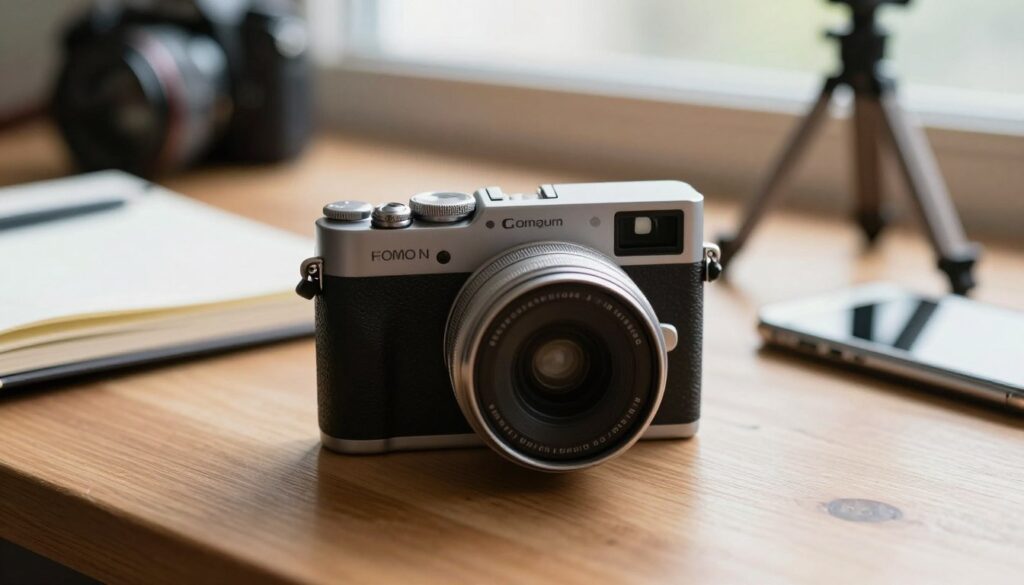
- Used systems lower entry costs and expand lens options.
- Invest in good glass first; it outlives several bodies.
- Shop for a reliable body with proven service history.
| Item | Typical Cost | Practical Benefit |
|---|---|---|
| Used camera body | $200–$600 | Solid imaging, long battery life |
| Quality lens | $150–$800 | Sharper images, better low-light |
| Spare battery & card | $30–$100 | Longer shoots, fewer interruptions |
Top DSLR Models for Action Photography
Speed, tracking, and reliable metering define top picks for action photography.
Nikon D850 is the standout choice for sports and wildlife. This camera pairs high frame rates with strong autofocus, so sharp photos arrive even in chaotic scenes.
For users tied to Canon glass, the Canon EOS series offers several fast bodies. These cameras deliver proven AF systems and handling suited to fast-paced work.
- Speed: High burst rate and buffer depth that freeze motion.
- Autofocus: Reliable tracking features and subject detection.
- Features: Durable builds, good battery life, and rich lens support.
| Model | Strength | Best use |
|---|---|---|
| nikon d850 | Speed, dynamic range, AF accuracy | Sports, wildlife |
| Canon EOS series | Fast AF, ergonomic controls, lens options | Events, action sports |
| Legacy dslrs | Durability, long battery life | Field days, long shoots |
Best Crop Sensor Options for Beginners
For beginners, crop sensor bodies offer a smart mix of performance and cost.
Nikon D7500 is the go-to crop sensor camera from Nikon. Students often pick this model for its reliable handling and modest price that fits a tight budget. Both cameras retain value well over time.
Practical note: these crop sensor options give essential features without overwhelming beginners. They work with many lenses and make mastering exposure, focus, and composition simpler.
- Canon EOS 90D: great balance of performance and ease of use.
- Nikon D7500: reliable, budget-friendly, and durable.
| Model | Strength | Best for |
|---|---|---|
| Canon EOS 90D | Eye-detection, strong AF | Learning and growth |
| Nikon D7500 | Value, handling | Students, budget-conscious |
| Legacy dslrs | Battery life, lens options | Long shoots, used market |
Navigating the Used Camera Market
Scouting used listings can uncover Canon EOS bodies that match professional needs at far lower cost.
Searching for quality dslr cameras means checking condition, service history, and seller reputation. Look for a trusted list of retailers and certified resellers to reduce risk.
Key checks: verify shutter count, inspect sensor and mount, test autofocus, and confirm firmware updates. Shutter count gives a clear idea of remaining life and is one of the most useful things to review.
- Canon EOS bodies often deliver top value; many models mix pro features with sensible pricing.
- Ask for sample files and close photos of the body to spot wear.
- Request return terms or short guarantees when possible.
| Check | Why it matters | Practical tip |
|---|---|---|
| Shutter count | Estimates remaining life | Compare to rated cycles |
| Seller reputation | Reduces fraud risk | Prefer verified stores |
| Physical condition | Shows past care | Look for dents and scratches |
When to Choose Mirrorless Over DSLR
If electronic feedback and real-time exposure previews guide your workflow, mirrorless is worth close attention.
Choose mirrorless cameras when advanced autofocus and eye-tracking matter for pro photos. Modern mirrorless systems pack fast AF, silent shutters, and compact bodies that help on long shoots and travel days.
The electronic viewfinder gives a live preview of exposure and focus. That helps in low light and tricky scenes where the sensor and metering affect final image quality.
For many photographers, the mirrorless camera is the better tool when portability and sensor tech drive results. Canon EOS mirrorless bodies now offer native lenses and performance that rival older dslr setups.
- Advanced AF: tighter subject tracking for action shots.
- Live viewfinder: real-time exposure and framing.
- Sensor gains: wide dynamic range for cleaner image files.
| Need | Mirrorless | dslr |
|---|---|---|
| Autofocus | Superior eye and subject tracking | Reliable, less electronic assist |
| Portability | Smaller, lighter systems | Heavier, balanced for long lenses |
| Live exposure | Yes — electronic viewfinder | No — optical only |
Conclusion
Value matters: legacy systems deliver strong battery life, tactile controls, and proven lenses that make long days easier.
Mirrorless tech clearly points the industry forward, yet classic designs keep delivering for field work and certain styles of shooting.
Take the time to evaluate your needs and test gear on real shoots. Whether you move to mirrorless or keep working with familiar cameras, keep making photos and honing your craft.
Thanks for reading—may this guide help with your next camera choice.

The GBI LensLab Editorial Team publishes informational guides about cameras, lenses, image sensors, photography workflows, camera maintenance and digital imaging technology. Technical specifications are checked against manufacturer documentation and other appropriate primary sources when available.