How to Avoid Wasting Money on a First Mirrorless Setup
Key Takeaways
- Sensor size and autofocus matter most for both photos and video.
- Consider lenses, stabilization, and body ergonomics before buying.
- High fps and resolution, like the Sony A1 II, show mirrorless strengths.
Understanding the Shift to Mirrorless Technology
Modern mirrorless camera bodies pack fast autofocus and stronger video recording into smaller frames. That change also opened space for better stabilization and higher fps, which helps both photography and motion work.
- Smaller body, same or better quality: removing the mirror shortens flange distance and improves lens design.
- Faster autofocus and reliable recording: electronic systems handle low light and continuous shooting more consistently.
- Broader model range and lens options: major brands now pour R&D into this system, so choice and performance keep improving.
Why Mirrorless Cameras Work Well for Beginners
Benefits of Compact Design
Lightweight bodies make it easy to carry a camera all day. That matters on trips, hikes, and long shoots.
Smaller kit sizes let you add lenses and accessories later without feeling overloaded. Portability also helps with handheld video and steady shooting.
Ease of Use for New Shooters
Electronic viewfinders show exposure and color before you press the shutter. That feature shortens the learning curve.
| Feature | Compact Body | Learning Aid |
|---|---|---|
| Portability | High | Encourages practice |
| Exposure Preview | Yes | Instant feedback |
| Video & Recording | Lightweight setups | Easy vlogging |
| Expandability | Wide lens range | Grows with you |
Essential Features to Look for in Your First Camera
Sensor quality defines low-light performance and final image detail. Choose a camera with a sensor that suits your shooting style and expected lighting.
Look for 4K recording for future-proof video. Smooth recording and decent fps help with slow motion and cropping later.
Lens selection and affordable glass in the system shape long-term costs. Check the range of lenses before you commit to a body.
Battery life and spare batteries keep long shoots running. A comfortable body and responsive screen make long days easier.
Prioritize in-body stabilization if you shoot handheld. Finally, weigh overall performance across bright and low-light scenes so your choice grows with your photography and video goals.
Evaluating Image Quality and Sensor Size
Sensor size often defines what a camera can do in low light and how much latitude you have in post.
Full-frame mirrorless bodies usually give wider dynamic range and cleaner high ISO performance. That helps when you pull detail from shadows or shoot at dusk. A larger sensor also affects lens size and weight, so consider how your kit will feel on long shoots.
Understanding Megapixels and Dynamic Range
- APS-C sensor offers a strong balance of portability and image quality for many photographers.
- Full-frame gives better low-light headroom and shallower depth of field when desired.
- Good sensors let you crop images without losing critical detail.
| Sensor Type | Low-Light | Dynamic Range |
|---|---|---|
| Full-frame mirrorless | Excellent | High |
| APS-C sensor | Good | Moderate |
| Balance | Weight vs performance | Resolution vs color |
The Importance of Autofocus Performance
- Wide AF coverage gives flexibility across the frame.
- AI-driven tracking predicts movement for higher hit rates.
- Lens and body integration ensures consistent performance in the field.
Finding the Best Beginner Mirrorless Cameras for Your Budget
Entry-Level Canon Options
Canon EOS R50 offers a 24.2MP APS-C sensor and reliable Dual Pixel autofocus. It’s a compact body with user-friendly menus and solid 4K recording for casual video work.
The R5 II sits at a different tier, but the R50 gives a clear path to the Canon EOS system without a steep price jump.
Sony Alpha Series for Beginners
Look for models that balance sensor size, stabilization, and recording features to match your shooting style.
Fujifilm X-Series Value
Fujifilm pairs retro body design with strong color science. If image color and tactile controls matter, this system delivers great quality per dollar.
Also consider Nikon’s Z50—its 20.9MP sensor and rugged build make it a solid, reliable option for many budgets.
- Try bodies in hand: comfort and controls matter more than specs on paper.
- Check lens options: affordable glass helps your kit grow without big extra cost.
- Pick a supported system: availability of lenses and accessories affects long-term value.
Top Picks for Aspiring Vloggers and Content Creators
The Sony ZV-E10 targets creators with a side-flip screen, compact body, and strong video recording. Its sensor and autofocus perform well for run-and-gun shoots.
The Canon EOS R50 impressed me for vlogging because of its fully articulating screen and reliable eye tracking. It balances photo and video needs without heavy weight.
- Fast fps and good stabilization help keep motion smooth in every clip.
- Lightweight bodies make long handheld shooting far more comfortable.
Try both models in hand and test menus, autofocus, and recording. Your choice should support the way you create, edit, and share content.
Navigating the Lens Ecosystem
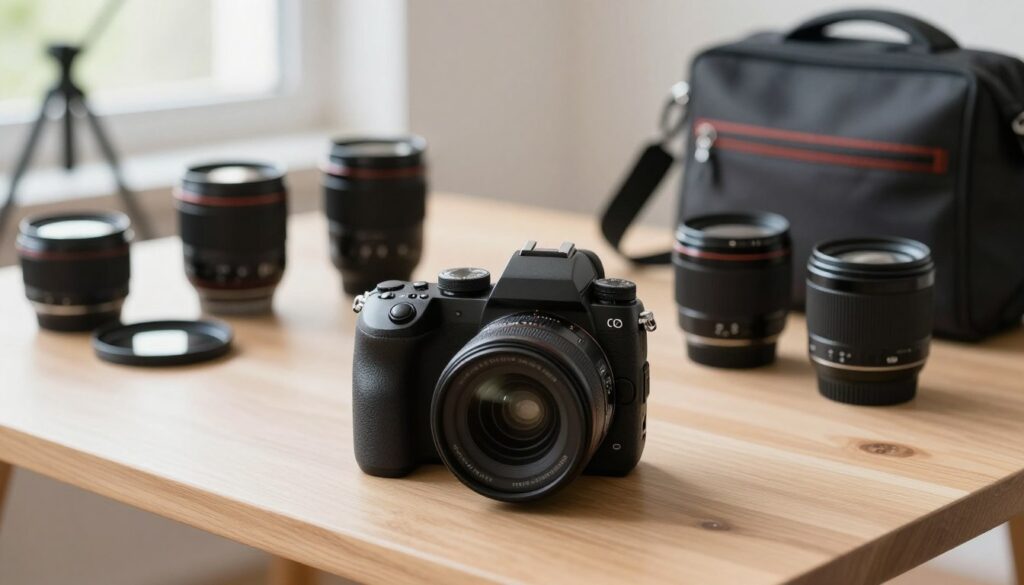
What you pick for a lens mount will shape your kit for years, not just months. Choosing a mount affects price, lens range, and how your camera performs in real shoots.
Why You Should Stick to Your Current Mount
Native lenses usually give the best autofocus and image quality on any body. Lens and sensor tuning is tuned by the manufacturer for consistent performance.
- Start with one versatile zoom to cover wide-to-portrait needs.
- Check long-term availability of glass for the system you pick.
- Third-party options can be great, but native models often win on reliability.
| Mount Factor | Why It Matters | My Recommendation |
|---|---|---|
| Lens Availability | Wider range lowers replacement cost | Pick a system with many native lenses |
| Autofocus Compatibility | Native glass gives fastest, most reliable AF | Favor manufacturer lenses for people or video work |
| Long-Term Value | Good lenses outlast bodies | Invest in a quality zoom and one prime |
Bottom line: choose a mount you can grow into. That decision keeps you shooting and learning instead of swapping adapters and worrying about compatibility.
Understanding In-Body Image Stabilization
In-body image stabilization can turn shaky handheld shots into clean, usable frames.
The best results come when the body and lens systems work together. A combo of lens-based and in-body stabilization gives stronger overall performance for both stills and recording.
- Good stabilization reduces the need for expensive, heavy lenses designed only to stabilize.
- Master your body’s stabilization settings to boost real-world performance during shoots.
| Stabilization Type | What It Helps | Typical Benefit |
|---|---|---|
| In-body (IBIS) | All lenses, body movement | 4–6 stops improvement |
| Lens-based | Optical compensation, focal-specific | Strong for long telephoto work |
| Combined | Body + lens | Best for video and low-light stills |
Comparing APS-C Versus Full-Frame Mirrorless Systems
The Fujifilm GFX100 II sits outside standard full-frame with a 102MP BSI sensor. That medium-format option is for those who need extreme resolution and can carry larger lenses and bodies.
- Size vs. quality: full-frame for max resolution; APS-C for portability.
- Stabilization: smaller systems often include strong IBIS for steady handheld video.
- Cost: think about long-term lenses and price of glass when you decide.
| Factor | Full-Frame | APS-C | Micro Four Thirds |
|---|---|---|---|
| Sensor & Resolution | High dynamic range, higher resolution | Good detail, lighter files | Smaller sensor, efficient for travel |
| Body & Lens Size | Larger, heavier lenses | Balanced weight vs performance | Most compact, many affordable lenses |
| Stabilization & Video | Strong when paired with IBIS lenses | Good IBIS on many bodies | Excellent IBIS for handheld recording |
| Price & Lenses | Higher lens cost for top glass | More affordable zooms and primes | Best value lens options overall |
Battery Life and Real-World Performance
USB-C charging changed long trips for me. Being able to top up from a power bank keeps a day of recording alive without hauling bulky chargers.
Practice power-saving settings, invest in high-quality spares, and test how your sensor, autofocus, and recording modes affect battery life. That knowledge keeps you shooting and boosts real-world performance more than specs alone.
Mirrorless Cameras Compared With Traditional DSLRs
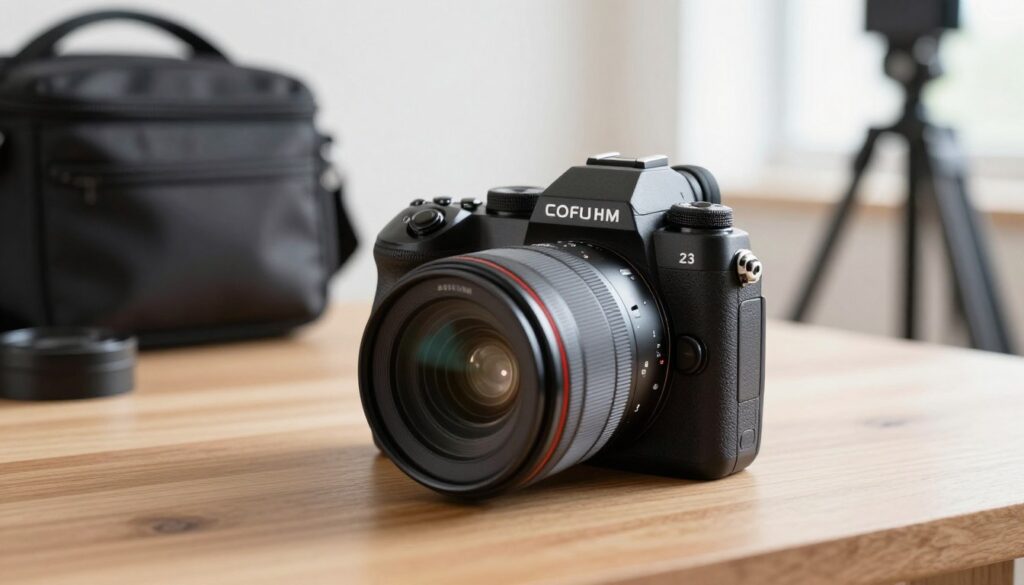
Autofocus in a modern Canon EOS system surprised me with speed and accuracy. That reliability turns more attempts into usable images.
Latest full-frame mirrorless models give image quality that outpaces many older DSLR bodies. For video, the recording features and intuitive menus make solo work smoother.
- Even seasoned DSLR users are moving to mirrorless systems for work and travel.
Essential Accessories to Complete Your Kit
Accessories turn a capable camera body into a dependable, travel-ready system. A few well-chosen items protect your gear and improve daily shooting.
Choosing Reliable Memory Cards
Buy cards with fast write speeds for continuous recording and high fps bursts. That protects your image files and keeps recording smooth.
Investing in a Quality Camera Bag
Choose a bag that fits your body, lenses, and spare battery life. A well-organized bag speeds setup and keeps you shooting instead of hunting for gear.
- Prioritize accessories that offer the best balance of performance and price for your budget.
- Use a screen protector to keep your screen in perfect condition and a cleaning kit to protect the sensor and lenses.
- For video, add a sturdy tripod to get smooth, professional recording.
| Accessory | Why It Matters | My Recommendation |
|---|---|---|
| Memory Card | Prevents data loss, supports high-speed recording | Lexar Professional, UHS-II or higher |
| Camera Bag | Protects body, lenses and keeps kit organized | Wandrd backpack or similar weatherproof pack |
| Tripod | Stabilization for long exposures and steady video | Carbon fiber travel tripod |
| Cleaning Kit | Maintains sensor and lens quality | Lens pen, blower, microfiber cloth |
Tips for Testing Cameras Before You Buy
A quick hands-on test can tell you more about a camera’s usability than hours of online reading.
Check the screen response and menus. Open the menus, change settings, and record a short clip to test video recording and autofocus behavior in real time.
Take test images in varied light to judge sensor performance and color. Zoom and focus a few times to feel lens coupling and how fast the system acquires focus.
Ask about battery life and try the screen at different angles. If possible, test stabilization and high-fps bursts to see how the body handles action shooting.
- Feel: balance with lens and grip comfort.
- Menus & screen: speed and ease of use.
- Sensor & image: test in bright and low light.
- Autofocus & fps: try subject tracking and bursts.
- Battery life & build: check durability for your budget.
| Test Area | What to Look For | Why It Matters |
|---|---|---|
| Grip & Body | Comfort with lens mounted | You’ll shoot more when it feels right |
| Screen & Menus | Responsiveness, intuitive layout | Saves time during fast shoots |
| Autofocus & Recording | Lock speed, tracking, video quality | Critical for smooth video and sharp images |
| Battery & Build | Real-world runtime and robustness | Prevents surprises on long days |
How to Choose the Right System for Your Photography Goals
Start by naming your main goal: travel photos, portrait work, or short-form video. That focus narrows which sensor size, lens choices, and autofocus behavior matter most to you.
Think long term about lens cost and accessory availability. A system with many lenses reduces future price shocks and keeps your kit flexible as skills grow.
- Match system to your photography and video goals.
- Factor lens costs, support, and community into your choice.
- Pick gear that helps you learn—don’t overpay for unused features.
| Decision Factor | What to Check | Why It Matters |
|---|---|---|
| Goals | Portraits, travel, vlogging | Drives sensor choice, lenses, and features |
| Lens Ecosystem | Native lenses, third-party options | Impacts long-term price and flexibility |
| Video & AF | Recording formats, autofocus reliability | Affects final image and video quality |
| Ergonomics & Battery | Body feel, battery life, stabilization | Defines how much you actually shoot |
Conclusion
A camera should invite you to explore, learn, and capture moments every day.
Keep practicing and refine your eye: one strong image matters more than dozens of technical specs. As the cameras market evolves, new options will appear that match shifting needs and styles.

The GBI LensLab Editorial Team publishes informational guides about cameras, lenses, image sensors, photography workflows, camera maintenance and digital imaging technology. Technical specifications are checked against manufacturer documentation and other appropriate primary sources when available.