How Weather Sealing Changes Shooting in Bad Weather
Key Takeaways
- Modern mirrorless cameras can perform well in tough conditions.
- The Olympus OM-D E-M1X is a strong choice for heavy storms.
- Trusting your gear lets you focus on creative decisions.
- Check the cameras market for models that match your needs.
- Balance protection with weight and handling for best results.
Understanding the Reality of Weather Sealing
Defining splash resistance
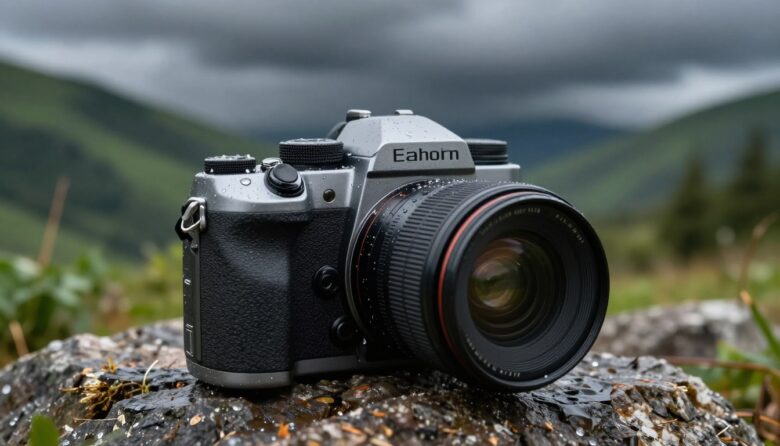
Splash resistance usually protects against water falling from above, not from below or behind. Manufacturers add rubber gaskets and tight fittings so your mirrorless cameras keep working in light rain and dusty conditions.
The truth about submersion
It’s a common myth that such protection makes gear waterproof. Even high-quality sealing cannot survive intentional submersion in a lake or ocean.
- Protection reduces failures from dust and moisture and helps preserve long-term quality.
- Remember: splash resistance ≠ full waterproofing for underwater work.
Why You Might Need a Weather Sealed Camera
- A reliable body helps you focus on light and composition, not gear worry.
Key Components of Rugged Camera Design
Magnesium Alloy Construction
This alloy helps the body stay true under stress and protects the sensor and electronics from impact and vibration.
Rubber Gaskets and Seals
Rubber gaskets sit around the lens mount, buttons, and ports. These small parts block dust and moisture from entering where it matters most.
Good sealing at the mount is critical because the lens-sensor interface is a common entry point for debris.
Temperature Tolerance
| Component | Purpose | Benefit for Photographers |
|---|---|---|
| Magnesium alloy body | Structural stiffness and impact resistance | Feels solid; protects sensor and electronics |
| Rubber gaskets | Seal gaps around mounts and controls | Blocks dust and moisture; extends life |
| Thermal-rated components | Operate in low/high temperatures | Reliable performance in cold shoots |
| Precision lens mount sealing | Protects lens-sensor interface | Reduces chance of debris on sensor |
Top Picks for the Best Weather Sealed Camera
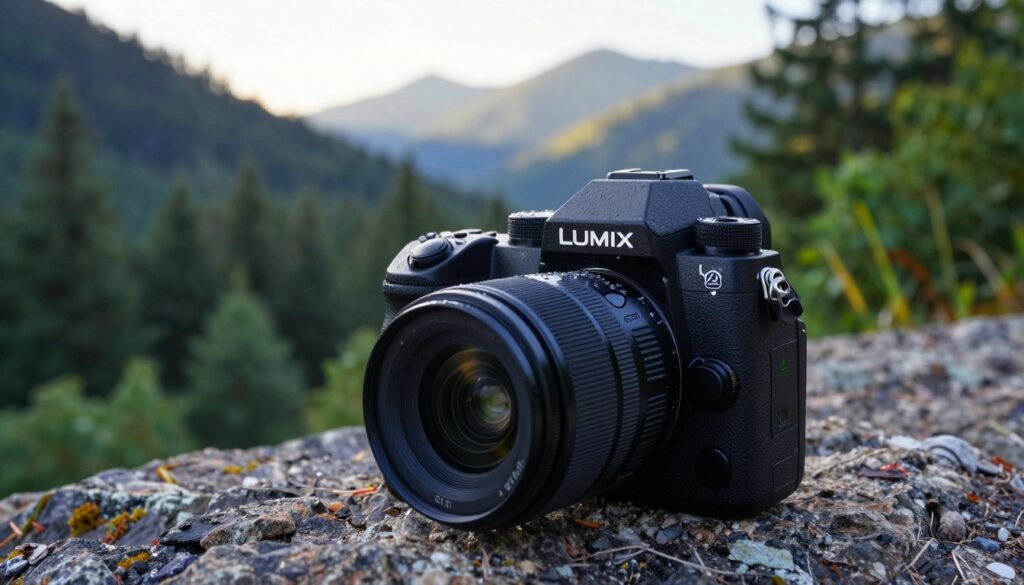
Panasonic Lumix S5 — one best choice for many shooters. This 24‑megapixel full frame mirrorless camera handles rain and cold with calm, steady performance.
Canon EOS R5 — a powerhouse and often called one best mirrorless camera for pros who need 45MP detail and strong sealing for harsh weather conditions.
The Olympus OM-D E-M1X stands out in the current cameras market with an IPX1 rating and exceptional durability for intense field use.
Fujifilm’s X-T4 offers a compact, rugged package for photographers who want a solid mirrorless option without bulk.
Nikon Z 6II rounds out the list as a reliable full frame option with top-notch grip and protection for long days outdoors.
- The EOS R5 delivers high resolution and robust sealing for demanding work.
Performance of the Olympus OM-D Series
The E-M1X uses a 20-megapixel sensor and gives 7.5 stops of IBIS. That image stabilization makes handheld shooting stable in low light and on long hikes.
The magnesium alloy build of the OM-D E-M1 III feels durable, and the four thirds system keeps gear compact without sacrificing performance.
- In practice: the OM-D E-M1X is a beast that can withstand rough field use and dust without losing function.
Reliability of the Panasonic Lumix S Series
Autofocus Performance in the Field
| Feature | Performance | Benefit |
|---|---|---|
| Autofocus system | Reliable tracking for fast subjects | Sharp images in action shoots |
| EVF / viewfinder | High-quality OLED | Accurate framing in mixed light |
| Screen | Fully articulating | Flexible angles for low/high framing |
| Build & sealing | Resists dust and moisture | Long outdoor reliability |
- In short: the Lumix S5 is a dependable full frame choice for outdoor shooters.
Durability of Canon and Nikon Mirrorless Systems
Fujifilm and Pentax Options for Harsh Environments
The Pentax K-3 III feels different—solid and unapologetic. Its magnesium alloy body gives a tank-like endurance that handled an Oklahoma summertime shower without a hiccup.
Both systems offer robust sealing and dependable systems for outdoor work. The X-T4 is compact and nimble, while the K-3 III is a rugged DSLR built to last.
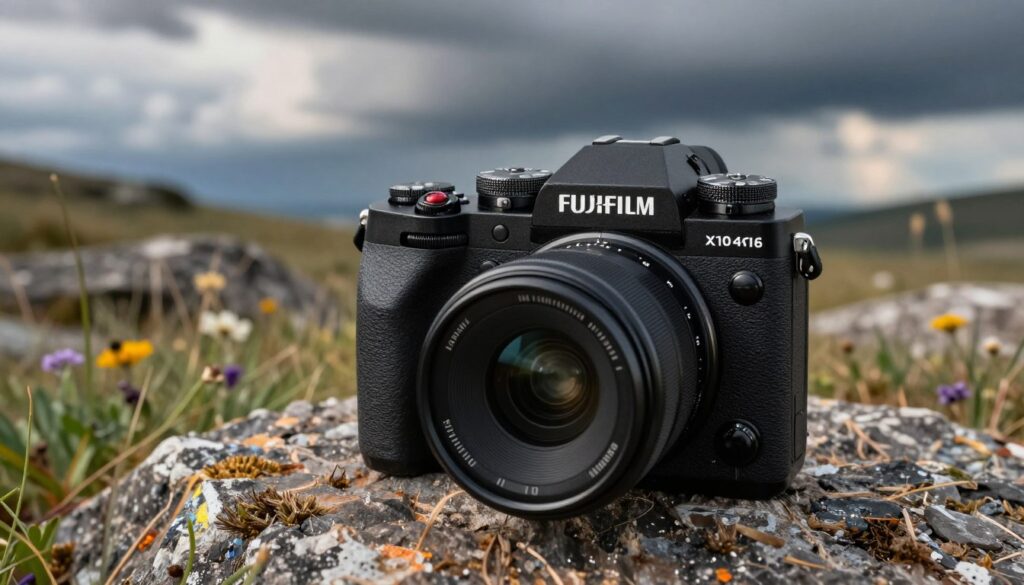
- Fujifilm X-T4: trusted in low temperatures, excellent IBIS, bright viewfinder.
- Pentax K-3 III: magnesium alloy body, legendary toughness, great for dusty shoots.
Practical Alternatives to Expensive Weatherized Gear
When you change lenses, be extra careful. Even with a bag, swapping lenses in dusty or wet conditions can let particles reach the sensor. Take your time and shield the mount.
| Solution | What it protects | Best use |
|---|---|---|
| Ziplock bag + hole | Body and lens from splash and light water | Short shoots when it starts to rain |
| Plastic rain cover | Full system from moisture and light spray | Longer outdoor sessions on a budget |
| Lens hood + towel | Front element and mount | Quick shelter during a brief shower |
| Sealant tape for ports | Ports and battery grip openings | Extended field work in dusty areas |
Conclusion
Investing in protection makes sense if you work often in harsh conditions. Still, remember that weather sealing is not fail-proof. Read specs carefully and treat it as added insurance, not a license to neglect maintenance.

The GBI LensLab Editorial Team publishes informational guides about cameras, lenses, image sensors, photography workflows, camera maintenance and digital imaging technology. Technical specifications are checked against manufacturer documentation and other appropriate primary sources when available.